
Sustainable Mulching Practices for Eco-Friendly Landscapes
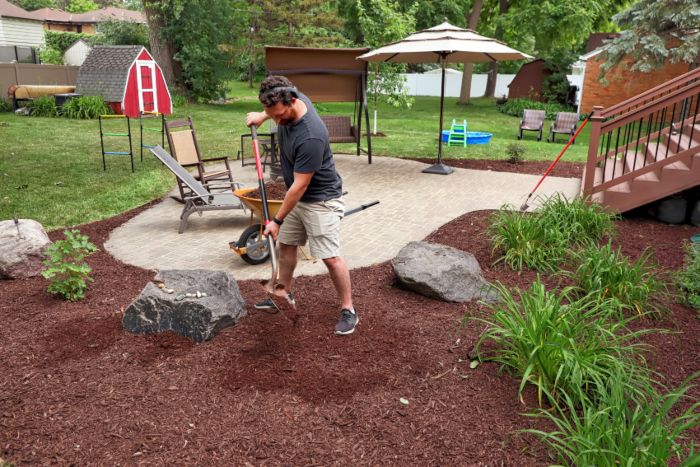
Eco-Friendly Landscaping With Sustainable Mulching
Eco-friendly landscaping is gaining traction in Ogden, UT, as homeowners look for greener, low-maintenance yards. Sandee’s Soil & Rock supports this shift with sustainable mulching practices that protect soil, conserve water, and reduce waste. Smart mulch use also pairs well with rock landscaping and other green landscaping solutions. Our range of organic mulch and landscape materials helps properties stay healthy and attractive through changing seasons.
What Is the Role of Mulch in Sustainable Landscaping?
Mulch plays a key role in sustainable landscaping by protecting the soil surface and supporting plant health. Organic mulch helps regulate temperature, conserve moisture, and keep roots comfortable throughout the year. It also limits weed growth and reduces erosion, which keeps planting beds stable and neat. Over time, environmentally friendly mulch breaks down and adds organic matter, which supports long-term soil quality.
Benefits of Sustainable Mulching for the Environment
Sustainable mulching practices help landscapes look good and support the environment. These choices work well for homes and commercial properties that want greener, smarter yards:
- Water Conservation Support – Mulch shades the soil and reduces evaporation, so beds need watering less often, which helps conserve local water resources.
- Soil Protection Benefits – A mulch layer softens heavy rain and wind, which helps prevent erosion and loss of topsoil and keeps soil structure stable.
- Waste Reduction Impact – Many eco-friendly mulches use bark, wood chips, leaves, or compost that might otherwise be thrown away, turning waste into a useful resource.
- Healthier Plant Growth – Mulch limits weed pressure and keeps roots insulated from temperature swings, which supports strong, steady plant growth with fewer inputs.
Choosing Eco-Friendly Mulch Materials
Choosing the right environmentally friendly mulch helps each property reach its sustainability goals. Different organic mulch materials support soil health and match different design styles:
- Bark Mulch Options – Shredded bark offers a clean look and works well around trees, shrubs, and flowerbeds. It breaks down over time and adds organic matter to the soil.
- Wood Chips and Arborist Chips – Mixed-size wood chips provide a durable, eco-friendly mulch layer for larger beds and paths. Many chips come from pruned branches and local tree work, which supports waste reduction.
- Compost and Leaf Mulch – Compost and fallen leaves form rich layers that feed soil life and support healthy plant roots. These materials are high in organic matter and return nutrients to the landscape.
- Straw and Natural Fibers – Straw and similar fibers are useful in vegetable gardens and new plantings where gentle coverage is needed. They help keep the soil surface shaded and limit weed seeds.
Improving Soil Health Through Mulching
Mulch supports soil health by creating a stable, protective layer over the ground. Organic mulch adds carbon and nutrients as it breaks down, which feeds soil organisms and improves structure over time. It also helps keep moisture levels steady and reduces compaction from foot traffic and rain. Healthier soil holds water better and provides a stronger base for shrubs, trees, and landscape plants, which supports sustainable landscaping.
Proper Mulch Application Techniques
Proper landscape mulching helps your yard get the full benefit of sustainable materials. A few simple techniques keep mulch layers effective and tidy:
- Correct Mulch Depth – Applying mulch at about two to four inches deep gives good coverage without smothering roots and supports weed control and moisture retention.
- Clear Soil Preparation – Removing weeds and debris before mulching helps the new layer work properly and allows mulch to regulate temperature and moisture more effectively.
- Safe Spacing Around Trunks – Pulling mulch back from tree trunks and plant stems prevents rot and pest problems by allowing air flow and keeping woody parts dry.
- Regular Layer Checks – Checking mulch levels each season and topping up thin spots keeps coverage consistent and supports long-term performance and a neat appearance.
Why Is Sustainable Mulching a Smart Long-Term Investment?
Sustainable mulching practices support the environment and offer clear long-term savings. These choices help reduce future yard work and protect plants and soil:
- Lower Maintenance Needs – Mulched beds need less weeding, watering, and frequent soil repair, which reduces ongoing labor and product costs for homes and businesses.
- Improved Plant Longevity – Healthy soil and protected roots help plants live longer and grow stronger, so replacement costs stay lower over time.
- Enhanced Property Value – Well-maintained, eco-friendly landscaping adds visual appeal and supports a professional image because neat, thoughtfully mulched beds make outdoor spaces look organized and cared for.
- Support for Green Landscaping Goals – Sustainable mulching aligns with broader green landscaping solutions, including rock landscaping and water-wise design, and helps properties meet sustainability goals and community expectations.
Explore Sustainable Landscaping Today
Sustainable mulching gives Ogden landscapes a cleaner look while conserving resources and improving soil health. Sandee’s Soil & Rock has provided organic mulch, bark, decorative rock, gravel, sand, and topsoil since 2001, serving homes and commercial properties across the region. Our family-owned team assists with material selection, quantities, and reliable delivery that fits your project schedule. We’ll help you create a greener, long-lasting outdoor space in Ogden, UT. Contact Sandee’s Soil & Rock today to plan your eco-friendly landscaping with us!
Frequently Asked Questions
Can Mulch Reduce My Outdoor Water Usage?
Yes, a proper mulch layer helps soil retain moisture, which can lower how often you need to water garden beds and landscaped areas. Steady moisture levels support healthier plants and more sustainable mulching practices.
Does Mulch Help Control Weeds Naturally?
Mulch helps to create a physical barrier that blocks light and slows weed growth, which reduces the need for frequent hand weeding or chemical herbicides. Consistent mulch coverage is crucial to keeping your plant beds cleaner and easier to maintain.
Can Mulch Be Used With Rock Landscaping?
Yes, mulch can be paired with rock landscaping to soften planting areas, improve soil health, and create contrast around paths and decorative rock features. This mix of materials supports eco-friendly landscaping and flexible design options.